General Assembly
GA4: "Our duty is protecting territorial rights while ending all nations crimes" GA6: "Legal’ is the most powerful weapon to insure peace, justice and strong institutions"The United Nations’ General Assembly was established in 1945 under the Charter of the United Nations. It is the only organ of the UN in which all 193 members nations have equal representations. Additionally, it was a founding institution and stood as the “Deliberative policymaking and representative organ of the UN”. The General Assembly is responsible for making vital decisions concerning the United Nations namely; Appointing the Secretary General, electing the nonpermanent members of the Security council and approving the regular budgets of the UN. Due to the variety of diverse global issues treated by the United Nations’ General Assembly, it found the opportunity of establishing six sub-commissions upon which the topics may be divided. The six main committees are as follows: Disarmament and International Security Committee, Economic and Financial Committee, Social, Humanitarian and Cultural Committee, Special Political and Decolonization Committee, Administrative and Budgetary Committee and the Legal Committee.
This year, and for the first time in OIMSUN we are introducing to our delegates The United Nations’ Fourth Committee: The Special Political and Decolonization. Originally the committee was established in order to decolonize non free lands and to obtain the freedom of its people. It takes the role of dealing with various political issues that strive to achieve world peace. As a result, resolving the issues of the middle east and territorial disputes is its main focus. It takes the responsibility of discussing the matters surrounding outer space regarding territorial disputes and outer space safety, without forgetting it’s important presence concerning the palestine situation and the israeli-palestine conflict.
This year’s topics, for the General Assembly Fourth Committee are:
- The territorial dispute over Western Sahara
- The Kashmir conflict
In addition to The United Nations Sixth Committee: Legal. It is the primary forum for considering international legal questions. Therefore, it addresses issues regarding international law. It helps in creating new laws but also offer interpretations of already existing ones, all with the means to ensure peace, order and justice. Most global concerns relate to international law, so this committee is a vital UN body.
This year’s topics, for the General Assembly Sixth Committee are:
- Discussing the legal responsibilities of correctional institutions to criminals
- Examining the criminal accountability of political leaders
For OISMUN’s annual General Assembly plenary session, the delegates will discuss the following topic:
- Discussing the restructure of veto power
Plenary session
GA4 Topic 1
GA6 Topic 1
GA4 Topic 2
GA6 Topic 2
Presidency of the Fourth Committee
Presidency of the Sixth Committee
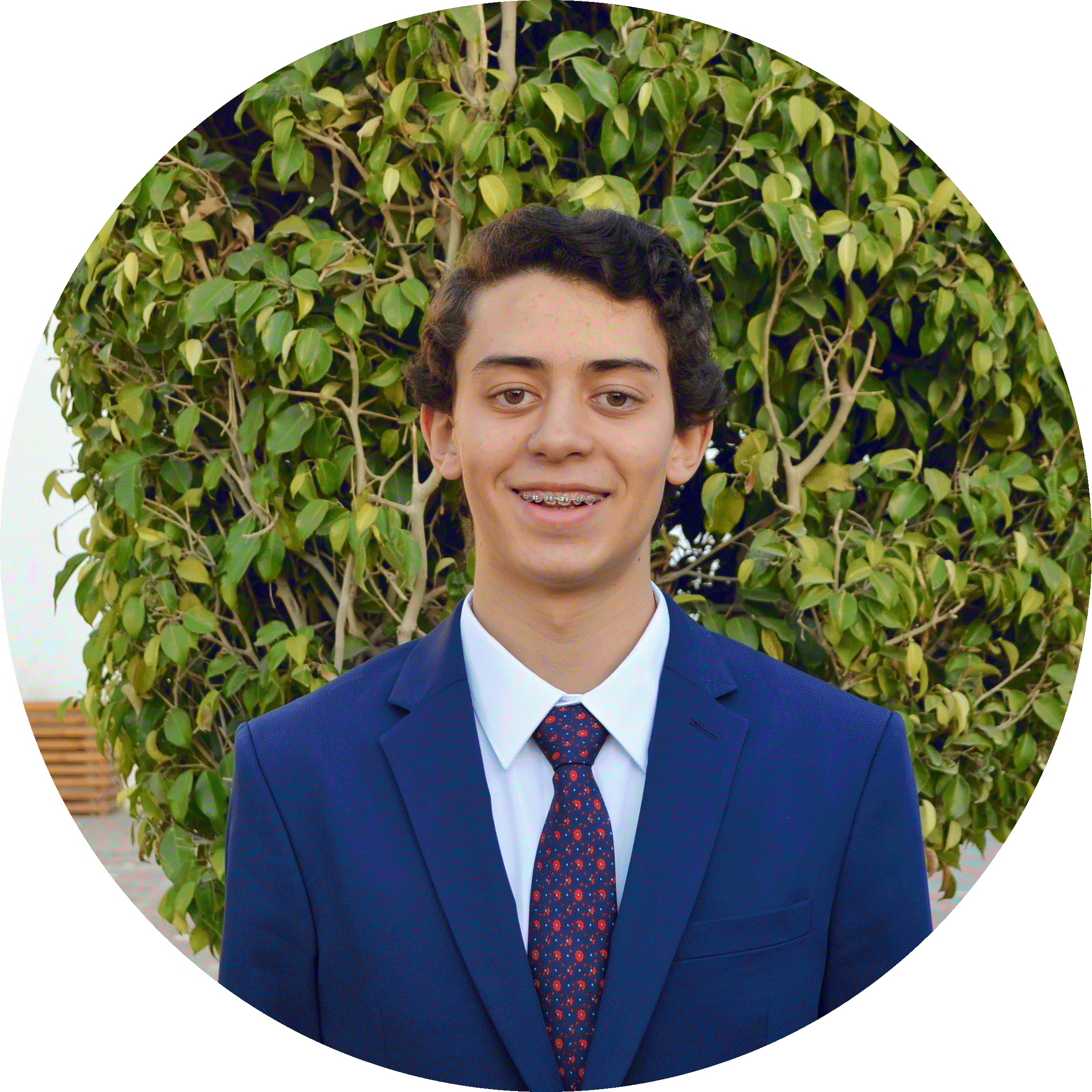
Ali ElSalawi
President of the General Assembly Fourth Committee
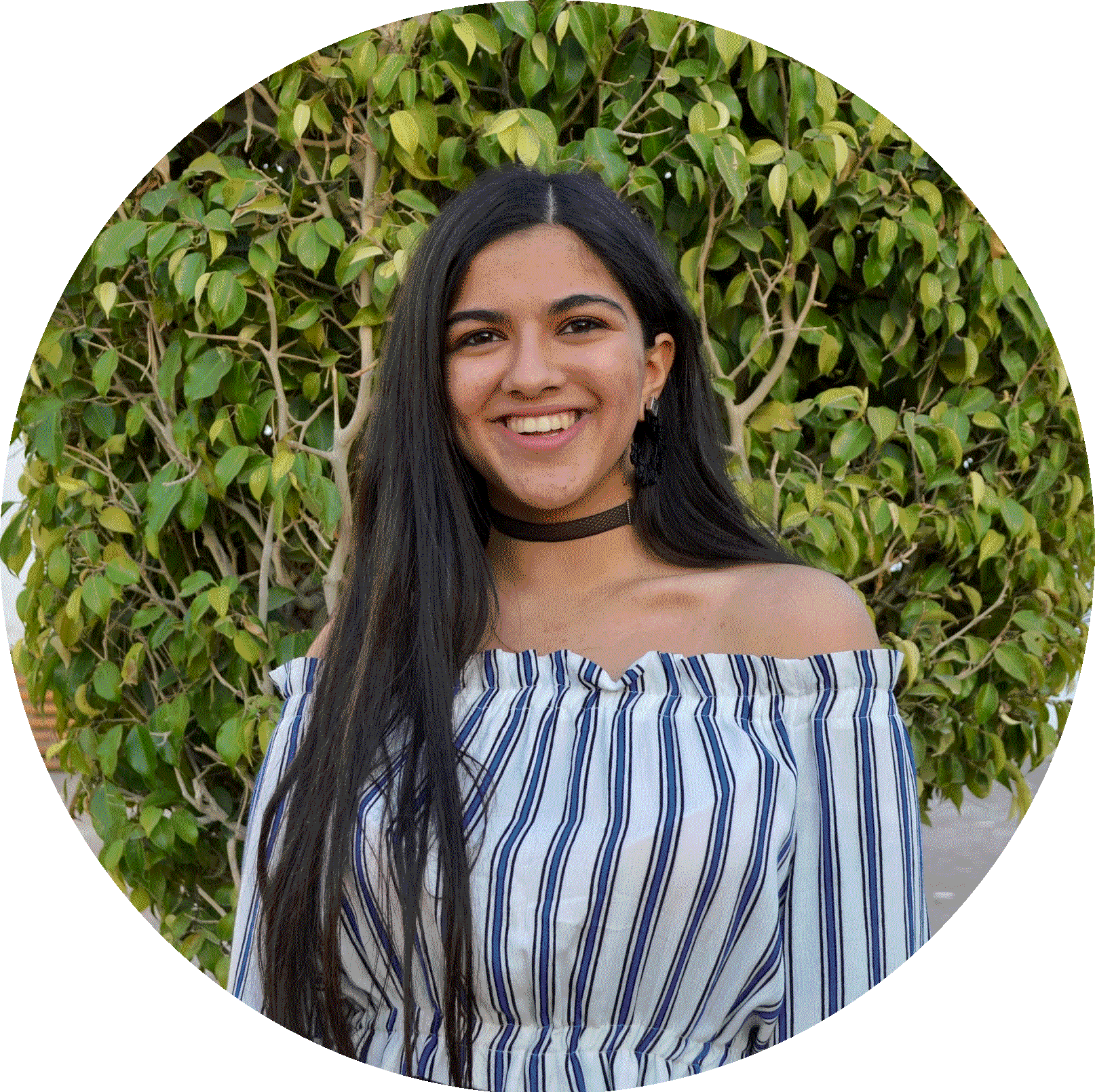
Raghda Gad
Vice-President of the General Assembly Fourth Committee
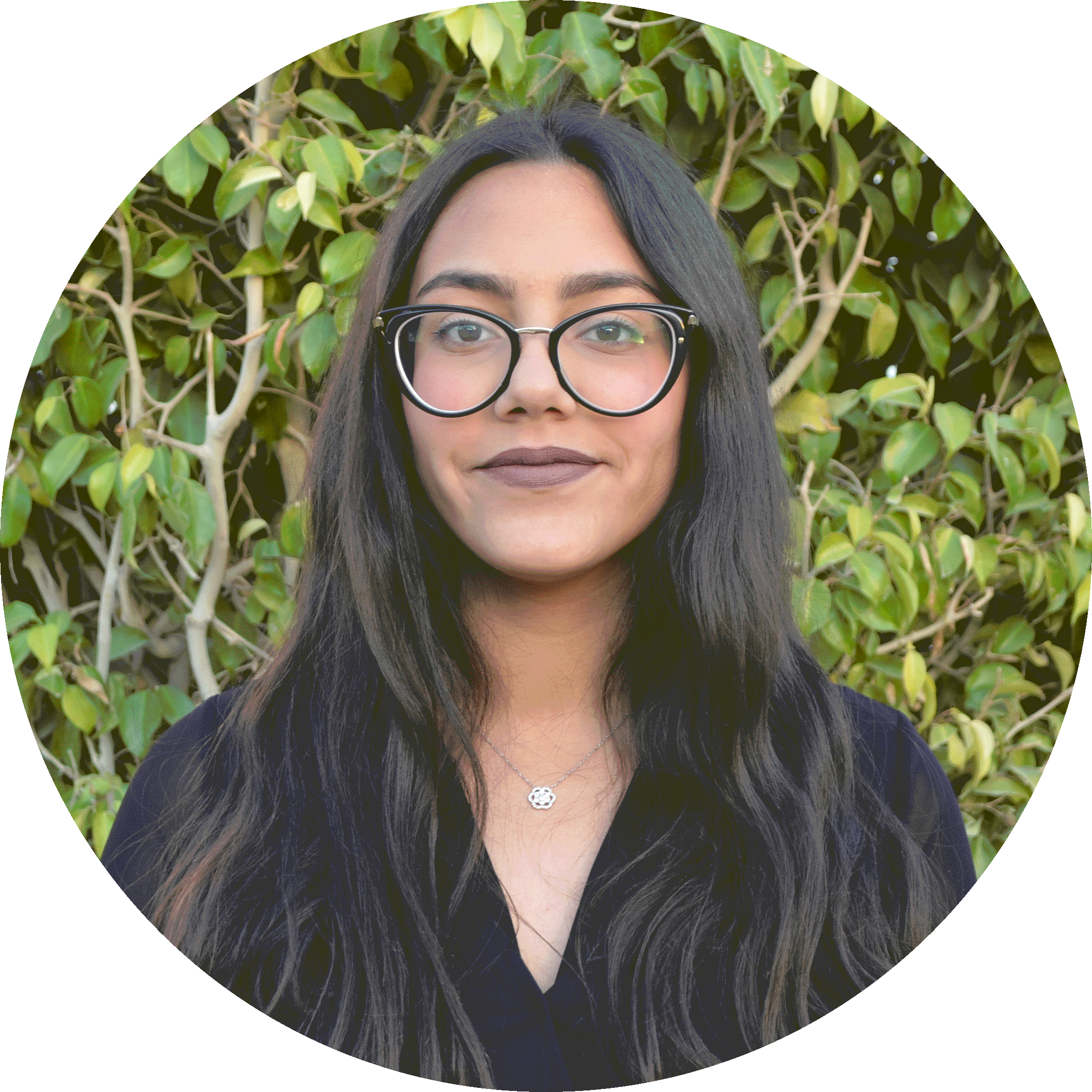
Alia Tarek
President of the General Assembly Sixth Committee
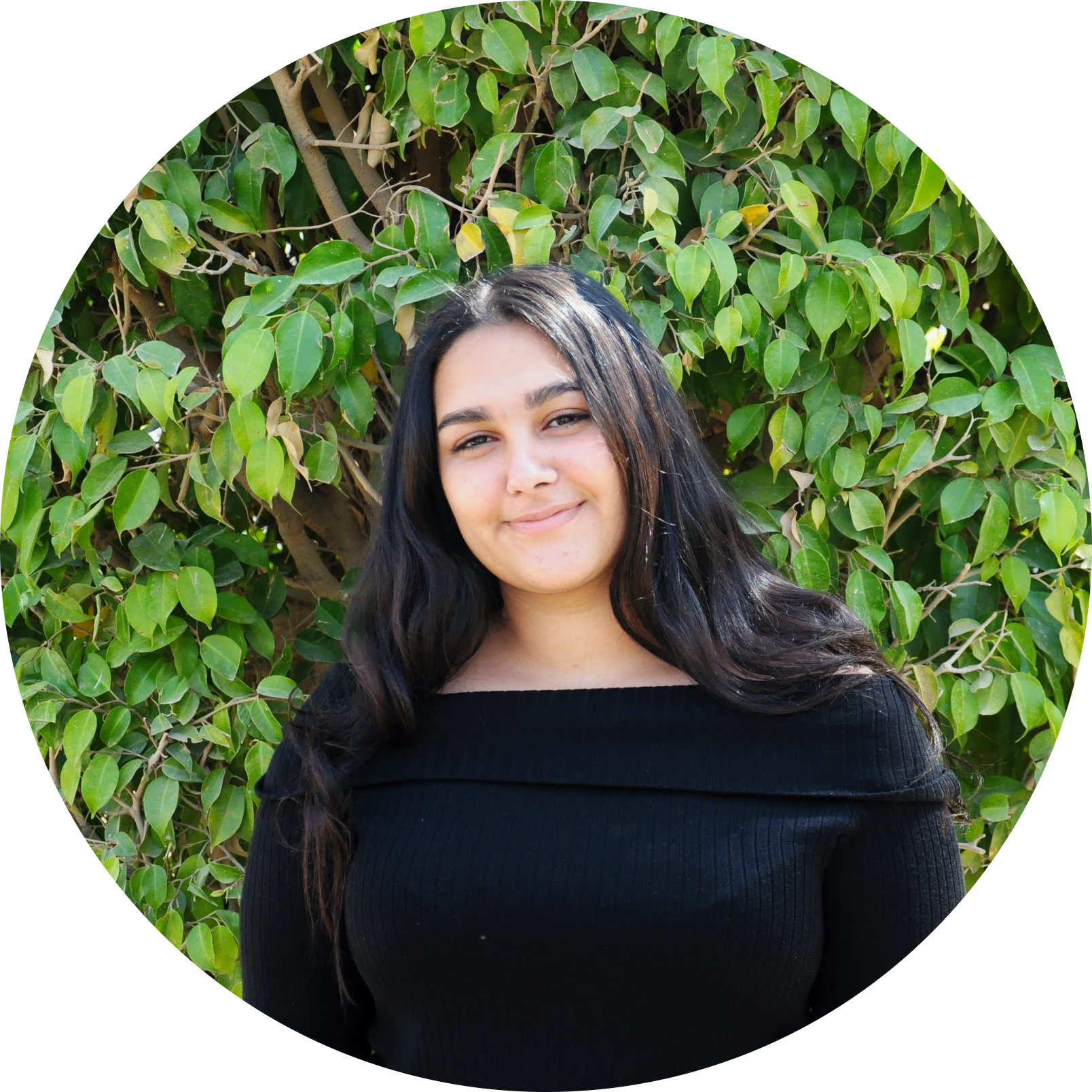
Bahira Tantawy
Vice-President of the General Assembly Sixth Committee
International Court of Justice
"To be just and fair, equality must be there"The International Court of Justice, also known as ICJ is the principal judicial organ of the United Nations. It was established by the Charter of the United Nations after the end of World War II in June 1945, and it started operating in April 1946. It is situated in The Hague, the Netherlands at the Peace Palace. The Court’s role is to settle, in accordance with international law, legal disputes submitted to it by States and to give advisory opinions on legal questions referred to it by authorized UN organs and specialized agencies. The current president of the ICJ is Ronny Abraham; in office since the 6th of February 2015. The Court is composed of 15 judges that are elected for a nine-year term of office by the UN’s General Assembly and the Security Council.
The court’s official languages are English and French.
This year’s case is: Application of the Convention on the Prevention and Punishment of the Crime of Genocide (Croatia v. Serbia)
Case
Presidency
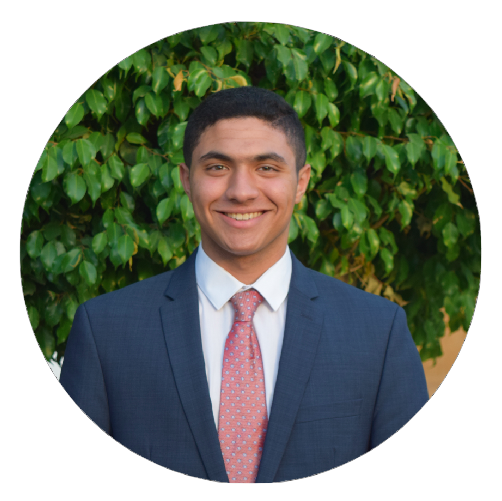
Aly Imam
President of the International Court of Justice
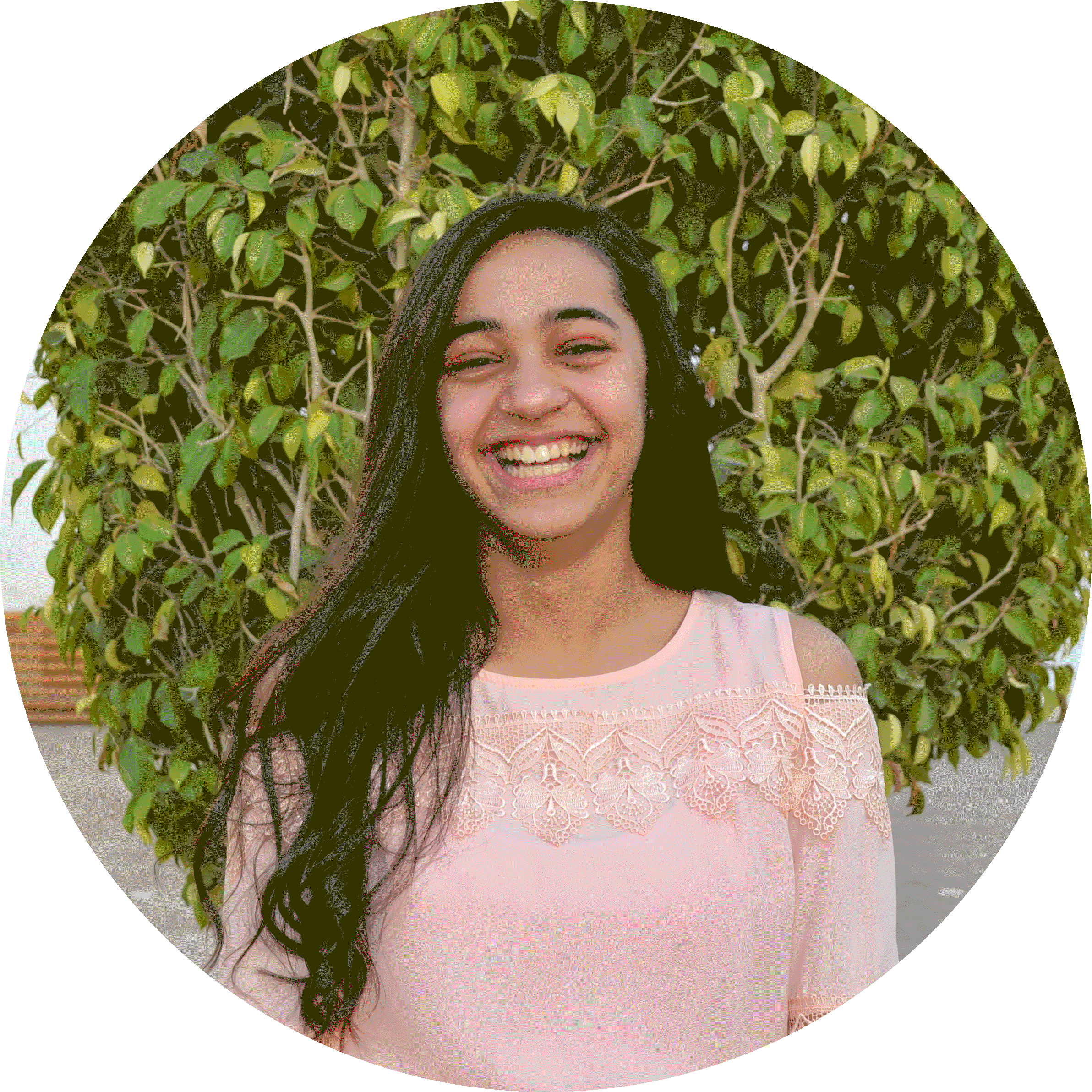
Ingy Hechmat
Vice-President of the International Court of Justice
Security Council
"Peace will never be maintained unless in the hearts of men"The United Nations Security Council (UNSC) is one of the six main UN organs. It is charged to maintain peace and security under the principles of the UN charter. The UNSC determines the existence of a threat to international peace or an act of aggression. It holds frequent sessions regarding these threats. It’s first sessions was held on the 17th of January 1946. It is only UN organ with the power to implement ceasefire , start UN peacekeeping missions and deploy UN troops named “blue helmets” who are sent to enforce peace in various regions. Under the UN Charter, all member States of the UN are obligated to enforce and carry out decisions of the council. The UNSC is composed of 15 members; 5 of them being permanent veto holding members (The United States of America, China, The United Kingdom, The Russian Federation and France). As for the 10 other members, they are rotating non-permanent members that are elected by the General Assembly every 2 years. The Security Council also recommends to the General Assembly the appointment of the Secretary-General and the admission of new Members to the United Nations. And, together with the General Assembly, it elects the judges of the International Court of Justice. In conclusion, the UNSC’s goal is to develop solutions and implement resolutions in order to prevent aggression and maintain security
This year’s topics are:
- Rebuilding Security and combatting terrorism in the Mena Region
- The Kurdish Crisis
Topic 1 (English)
Topic 2 (English)
Presidency of the English Committee
Presidency of the French Committee
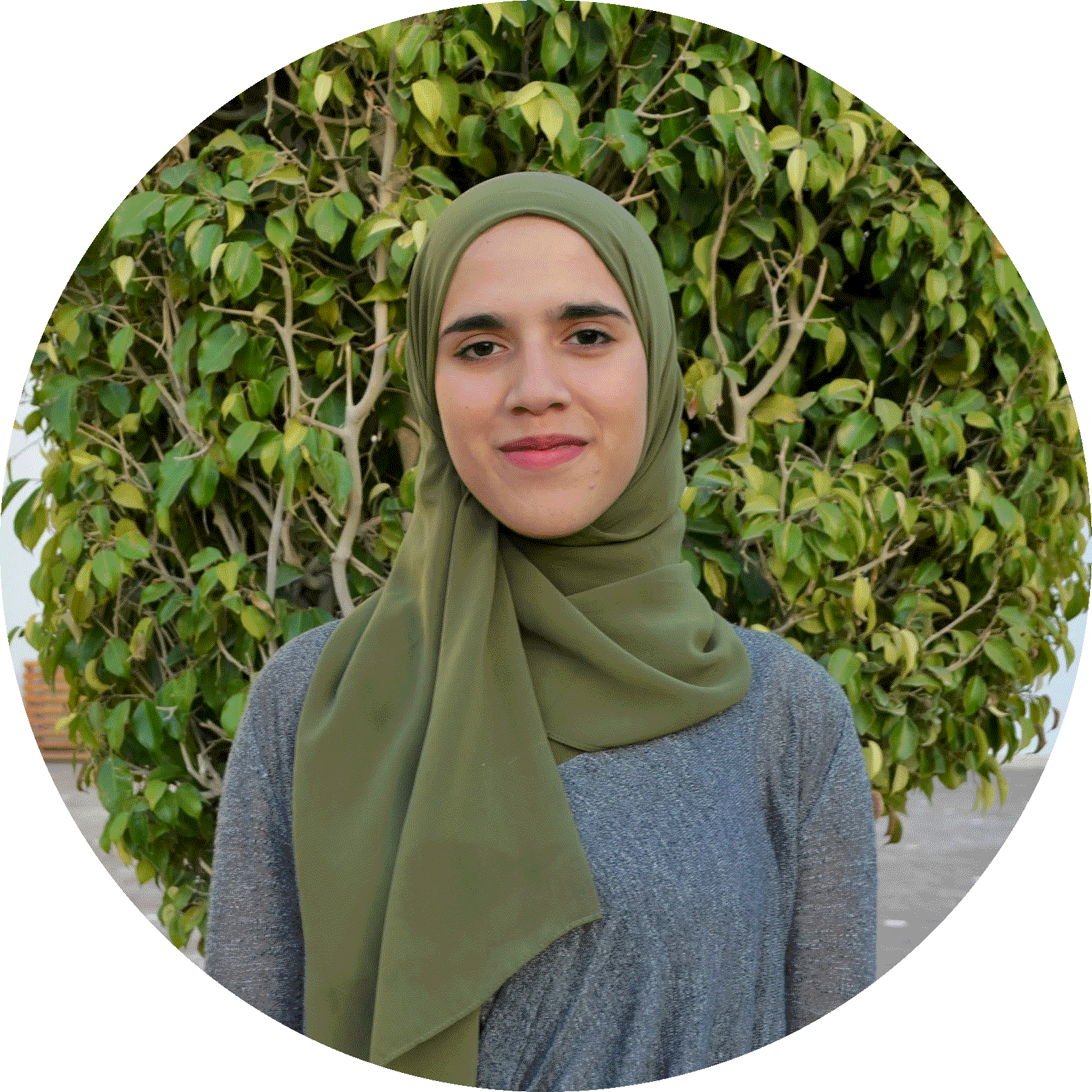
Rowayda Tarek
President of the Security Council
Omar Sedky
Vice-President of the Security Council
Rinad El Zeyani
Présidente du Conseil de Sécurité
Malak El Rakhawy
Vice-Présidente du Conseil de Sécurité
Human Rights Council
"The concept of inequality has no place in this world, every human is born free and equal"The Human Rights Council is an intergovernmental body within the United Nations system made up of 47 Member States, which are elected by the United Nations General Assembly. In fact, this Council was created on March 15th 2006 by resolution 60/251 of the UN General Assembly. The Human Rights Council is responsible for strengthening the protection of human rights around the globe. As basic as the concept of human rights may seem at first, numerous countries and organizations have opposed and infringed these rights due to reasons such as cultural beliefs or financial needs. The dilemma stands where the protection of human rights, and the benefit of a country meet. The Human Rights Council aims to find sustainable solutions that would be applicable to any country or body, in order to bring true equality to those who feel injustice because of who they are or where they live.
This year’s topics are:
- Arbitrary deprivation of nationality and stateless people
- Extrajudicial killings and excessive use of force by security officers
Topic 1 (English)
Topic 2 (English)
Presidency of the English Committee
Presidency of the French committee
Alyah Mazhar
President of the Human Rights Council
Fayrouz Ahmed
Vice-President of the Human Rights Council
Haya Hecham
Présidente du Comité des droits de l'homme
Karma Tarek
Vice-Présidente du Comité des droits de l'homme
Economic and Social Council
"Uniting to promote higher living standards, because what better way to fight for our planet than by global cooperation?"The Commission on the Status of Women is the principal global intergovernmental body dedicated to promote gender equality and empower women all around the world; offering them the rights they deserve and do not receive. It is a functional commission of the Economic and Social Council (ECOSOC). It was established by the ECOSOC resolution 11(II) of 21 June 1946. It The chairperson for the sixtieth session; in March 2016, was Antonio de Aguiar Patriota from Brazil, and one the vice-chairs was Fatma Al-Zahraa Hassan from Egypt. Each year, they dedicate their annual discussions and actions around a specific theme.
This year’s topics are:
- The impact of methods and usage of artificial intelligence on non developed countries
- Integrating Sustainable Development into Post-Conflict Reconstruction
Topic 1
Topic 2
Presidency
Malak Moussa
President of the Economic and Social Council
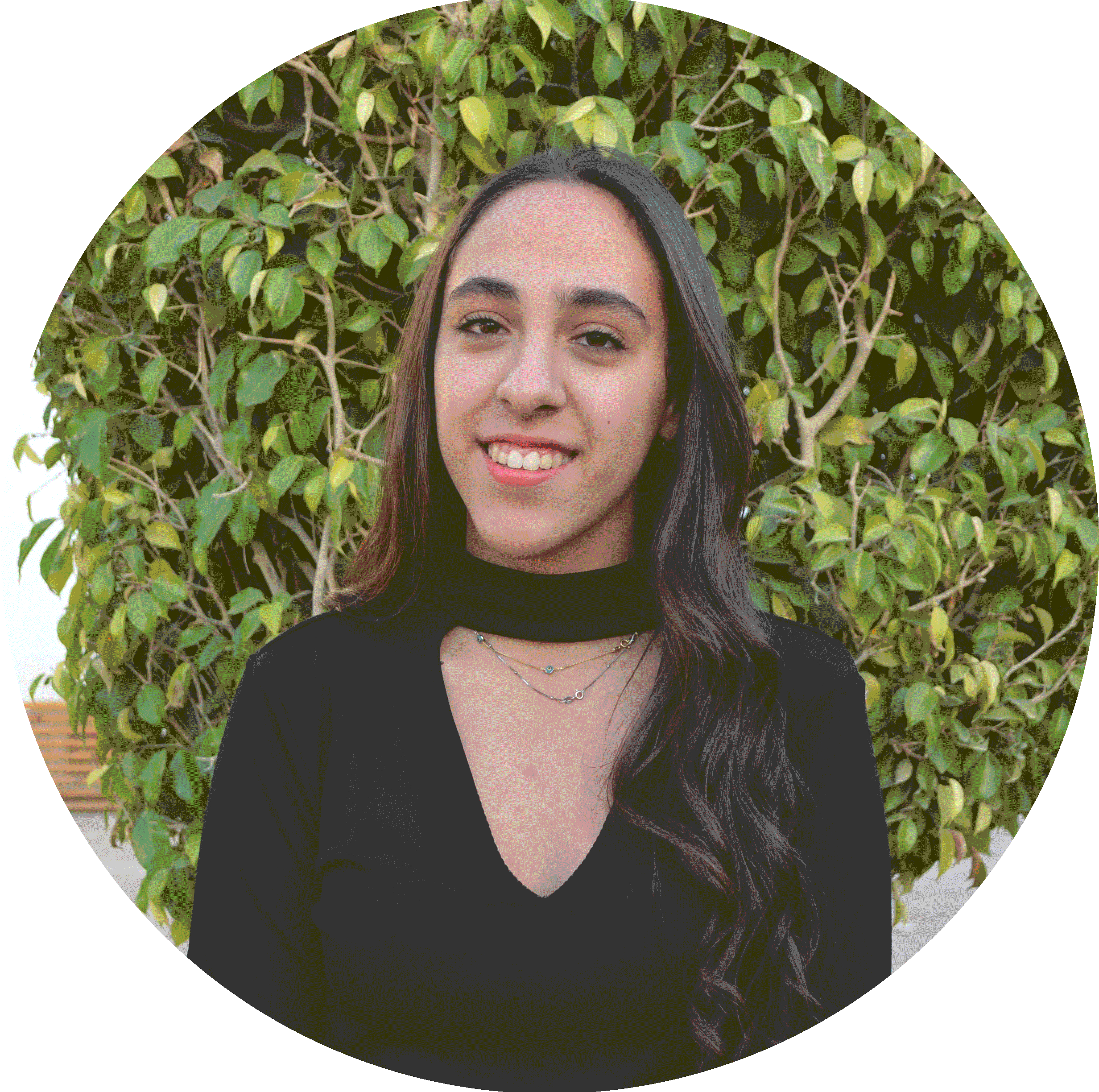
Hanna Youssef
Vice-President of The Economic and Social Council
The United Nations Office on Drugs and Crime
"Aiming for global sustainable development to insure peace justice and strong institutions"The United Nations Office on Drugs and Crime, also known as UNODC is a merge established in 1997, between the United Nations Drug Control Programme and the Centre for International Crime Prevention. UNODC fights against illicit drugs and international crime, it relies on voluntary contributions, mainly from Governments, for 90% of its budget. The UNODC’s role is to assist Member States in their struggle against illicit drugs, crime and terrorism. The United Nations holds seven offices in seven different areas, they can help in all fields related to Organized crime and trafficking, Corruption, Drug abuse prevention and health, Crime prevention and criminal justice reform and Terrorism prevention. Diverse problems are becoming widely recognized as threats to nations and individuals, and requests for the assistance of UNODC in national, regional and transnationals levels continue to grow. Its’ work enhances security and improves the everyday lives of people across the globe.
This year’s topics are:
- Criminal justice system treatment and care of people with drug use disorders
- Criminal justice system response to violence against women
Topic 1
Topic 2
Presidency
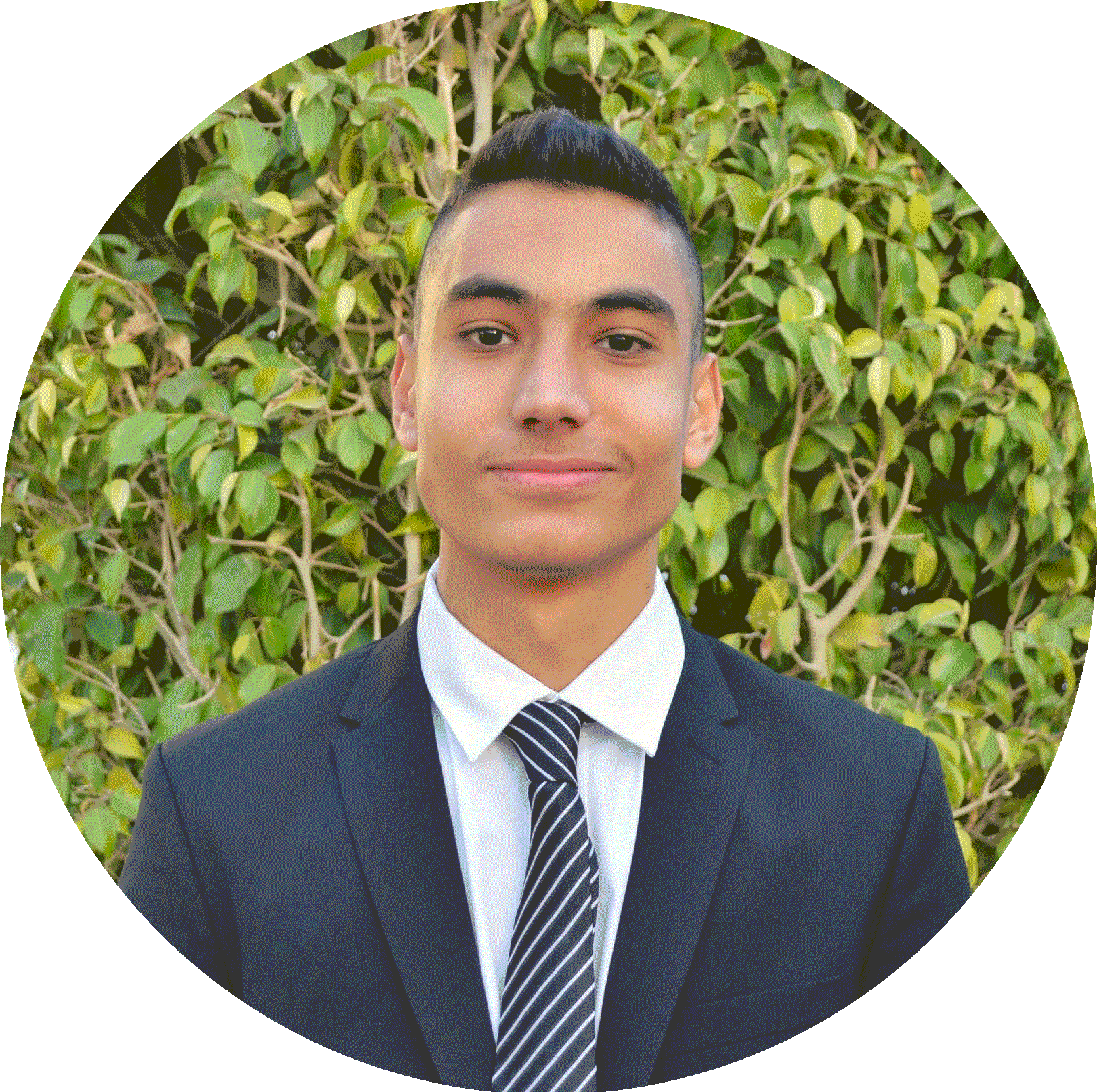
Ahmed Tamer
President of The United Nations Office on Drugs and Crime
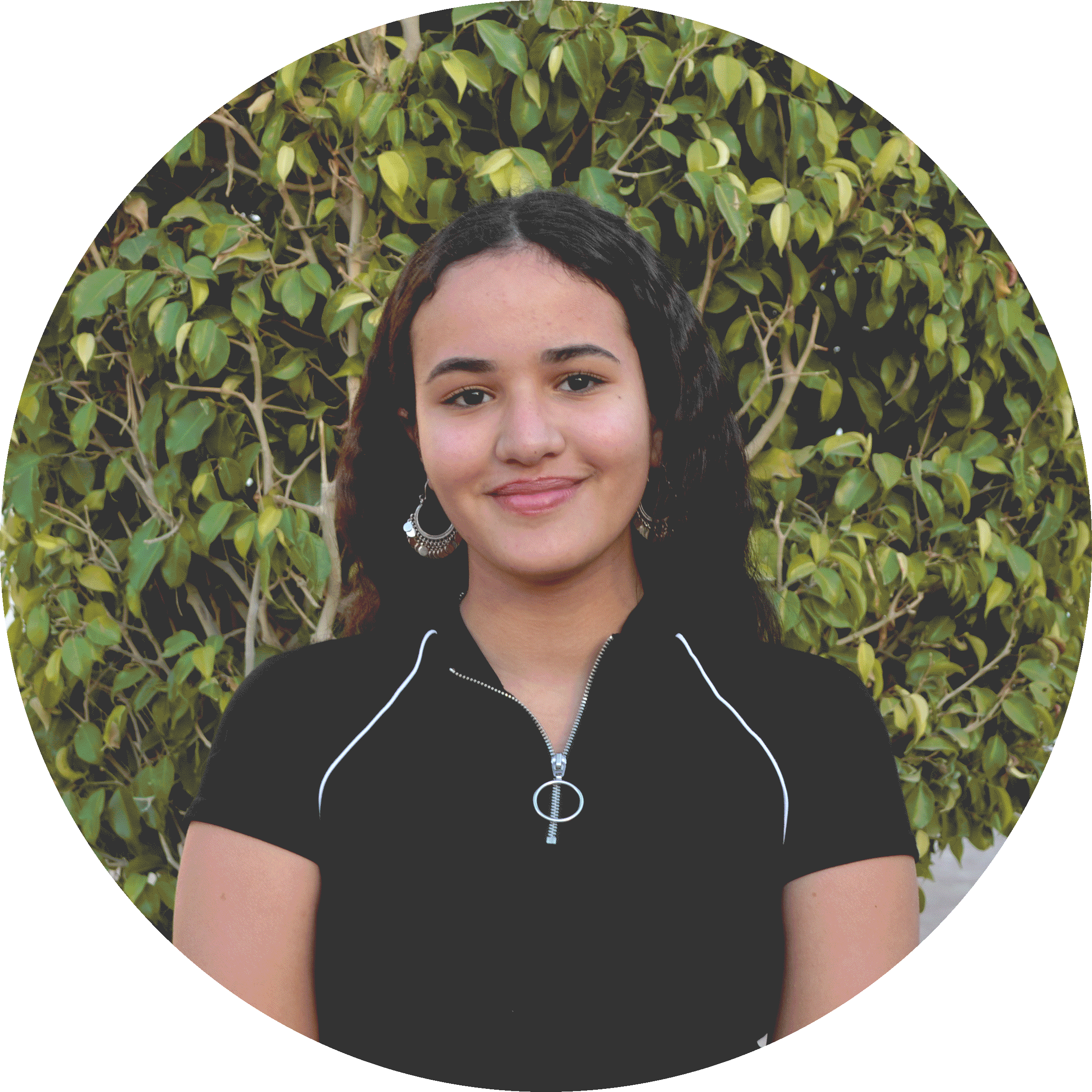
Salma Yasser
Vice-President of The United Nations Office on Drugs and Crime
United Nations Office on Disarmament Affairs
"Le désarmement extérieur commence toujours par le désarmement intérieur"This committee is only available in french
Having considered the uncontrollable use of nuclear arms as a danger on the world and its peace, the United Nations Disarmament committee (UNDC) has been created in 1952 under the Security Council consequently to being part of the General Assembly resolution in January 1952 (502 VI). As its name suggests, the disaramament committee has the goal and objective to limits the use of arms forces including the elimination of all weapons of mass destruction. All members of the United Nations should attend the sessions of the three consecutive weeks during spring in which disarmament topics are being discussed. Due to the danger of the uncontrollable use of arms forces, the committe has been specially created to address the issue in order to prevent international conflicts and create durable peace on the international level.
- La question de la transparence nucléaire et militaire internationale
- La mise en place d’une législation quant au contrôle des armes
Topic 1 (French)
Topic 2 (French)
Presidency
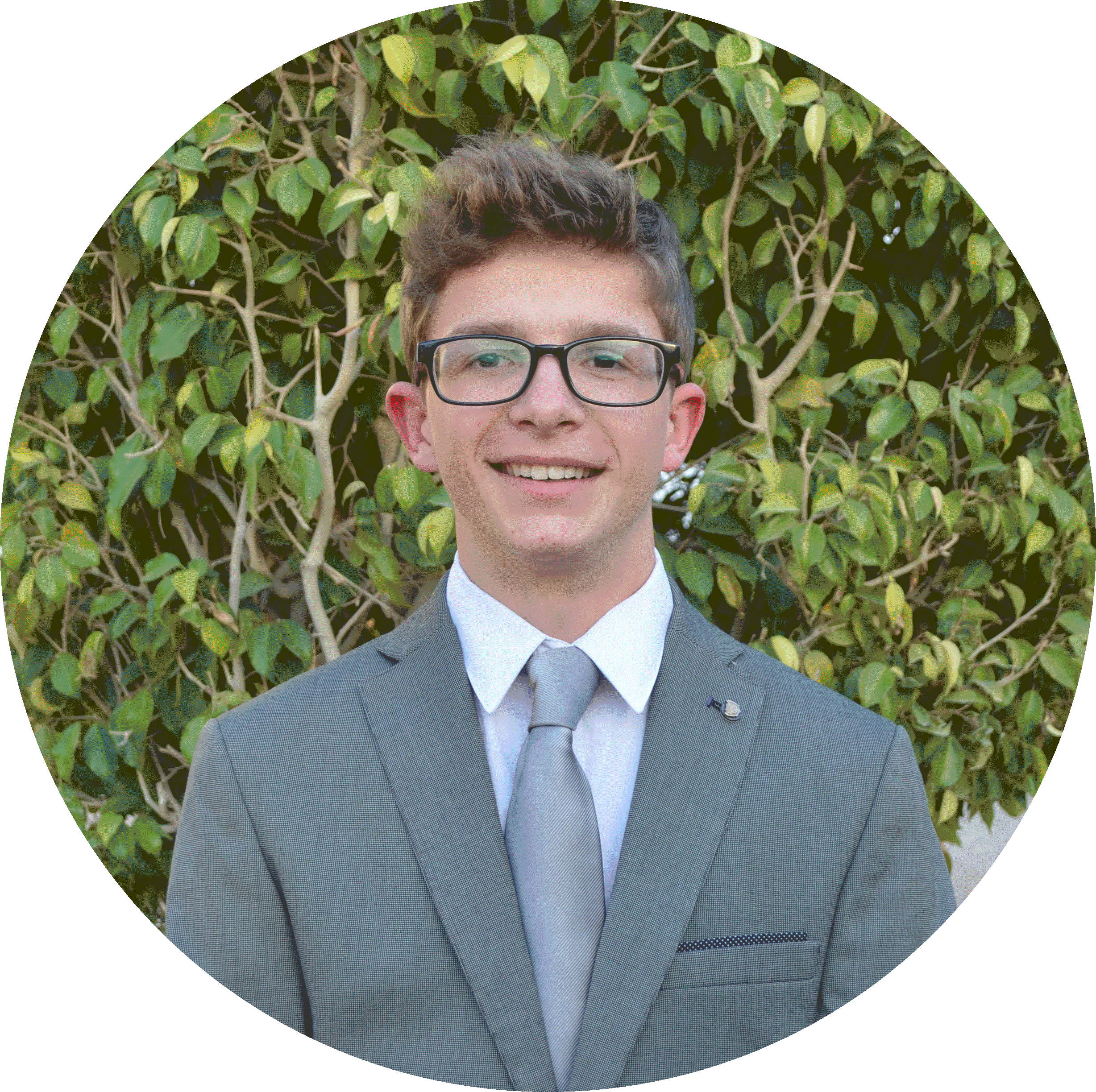
Antoine Pyre
President of the United Nations Office of Disarmament Affairs
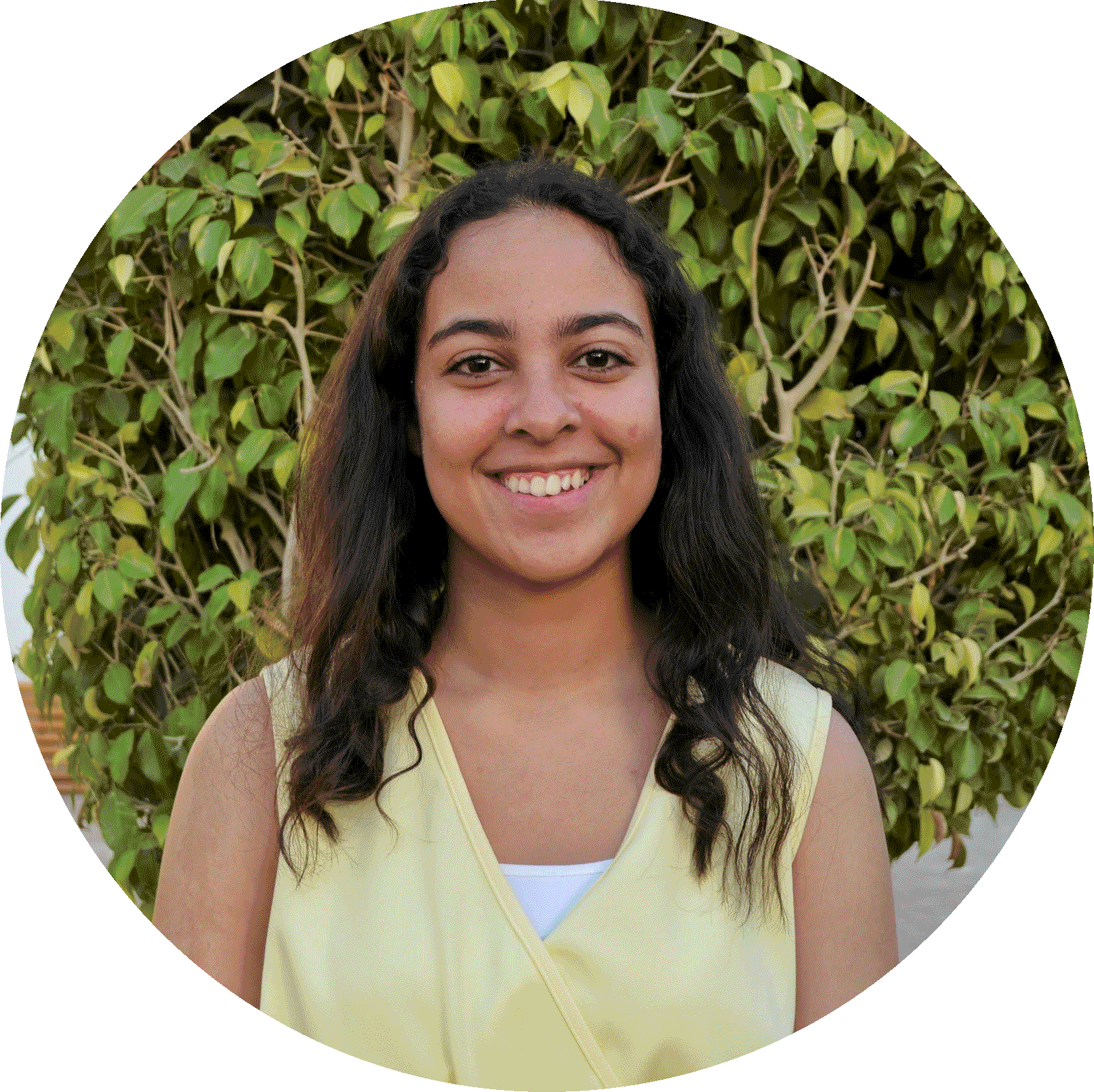
Layla Alaa
Vice-President of the United Nations Office of Disarmament Affairs